

In today’s fast-paced world, we often celebrate IQ (Intelligence Quotient) as the ultimate key to success. We focus on degrees, technical skills, and high scores. However, have you ever wondered why some highly intelligent people struggle in their personal lives or feel constantly stressed? The missing piece of the puzzle is often Emotional Intelligence (EQ).
At Mind Healer, we believe that true wellness starts from within. Understanding and developing your EQ is not just a “bonus” skill it is the foundation of a healthy mind and lasting, meaningfulrelationships.

HSH
IQ vs EQ Nature vs. Nurture
One of the most important things to understand is the difference between your “Nature” and your “Nurture“.
IQ (Nature): For most people, IQ is like the height you were born with. It is largely determined by nature (genetics) and stays relatively stable throughout your adult life. It represents your brain’s raw power to solve logic and technical problems.
EQ (Nurture): Unlike IQ, your Emotional Intelligence is flexible. It is a set of skills that you can nurture and grow over time. You are not “stuck” with the personality or reactions you were born with. Through intentional practice, you can retrain your brain to handle stress and people differently.
The Four Pillars of EQ
According to psychological research, Emotional Intelligence is built on four essential pillars:
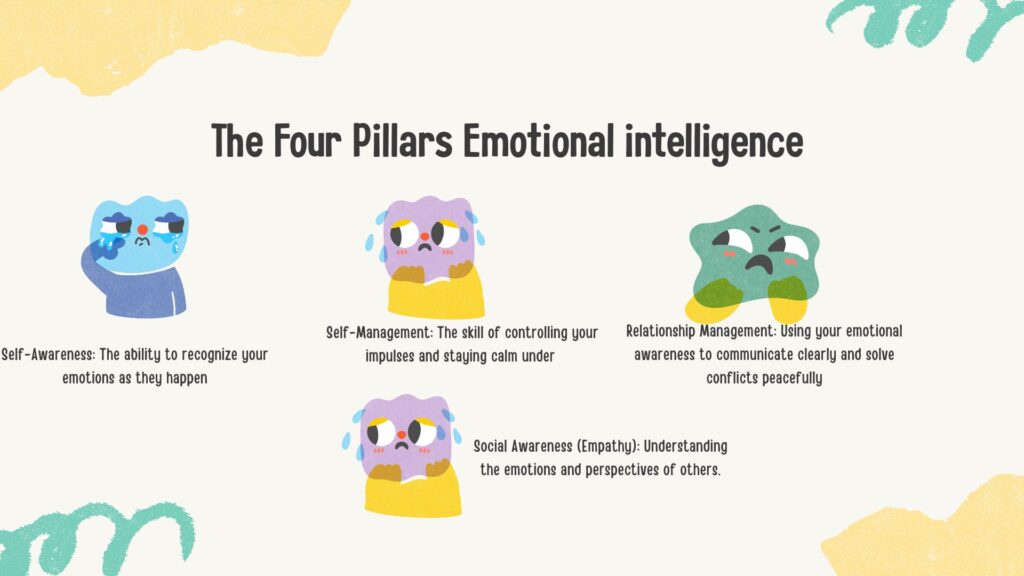
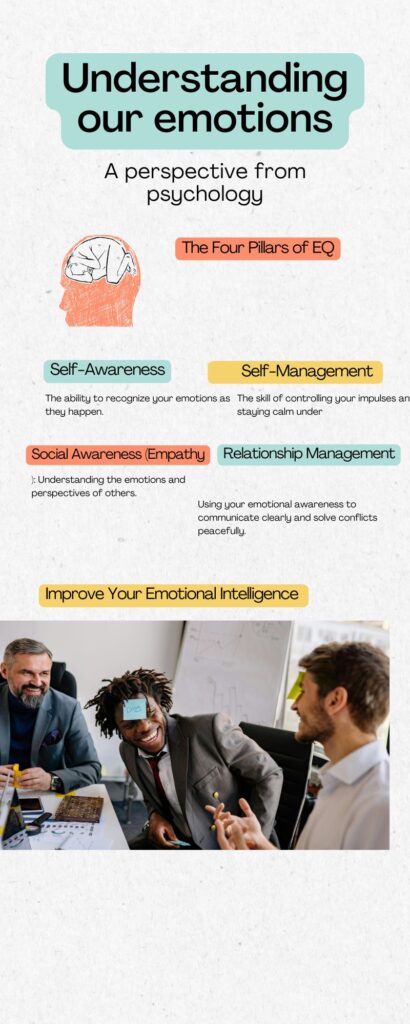
1. Self-Awareness: The ability to recognize your emotions as they happen.
2. Self-Management: The skill of controlling your impulses and staying calm under pressure.
3. Social Awareness (Empathy): Understanding the emotions and perspectives of others.
4. Relationship Management: Using your emotional awareness to communicate clearly and solve conflicts peacefully.
Why EQ is Your Best Tool for Mental Health.
High EQ acts as a shield against anxiety and depression. When you practice self-awareness, you begin to identify your “triggers”. before they explode.
Instead of feeling a “mysterious” sense of overwhelm, a person with high EQ can say: “I feel anxious right now because my boundaries were crossed today.” By simply naming the emotion, you reduce its power over you. This builds Endurance the psychological strength to stay steady and resilient even when life becomes difficult.
How to Build Your EQ for Better Relationships?
Improving your EQ will transform how you interact with your partner, family, and colleagues. Start with these simple habits.
Master the “Pause”: Before reacting to a rude comment or a stressful situation, count to three. This brief moment allows your logical brain to take over from your emotional impulses.
Active Listening: Most people listen to reply, not to understand. Practice listening to your partner’s feelings without interrupting.
Practice Empathy: Use the phrase “Help me understand…” instead of getting defensive. This makes the other person feel seen and valued.
Daily Reflection: Spend 5 minutes every night thinking about your day. Ask yourself: “What did I feel today, and how did I handle it?” This builds your self-awareness muscle
Conclusion: A Journey of Growth.
Your IQ might get you through the door, but your EQ will determine how far you go in life and how happy your relationships will be. Emotional Intelligence is the bridge between where you are now and the person you want to become.
Remember, personal growth is a marathon, not a sprint. Start small, focus on one pillar this week, and watch how your world begins to change. At Mind Healer, we are here to support your journey toward a healthier, more emotionally intelligent life .
References:
. Goleman, D. (2005). Emotional Intelligence: Why It Can Matter More Than IQ. New York: Bantam Books.
.Mayer, J. D., & Salovey, P. (1997). What is Emotional Intelligence? In P. Salovey & D. Sluyter (Eds.), Emotional Development and Emotional Intelligence.
. American Psychological Association (APA). (2024). The Importance of Emotional Intelligence in Mental Health.
.World Health Organization (WHO). (2023). Promoting Mental Health through Social and Emotional Learning.