

Quick Navigation
Bottom Lines
PTSD Recovery: This condition is not a sign of weakness; it is your brain’s natural response to extreme stress and a treatable medical condition. Bottom Line: Recognizing this helps remove the stigma of fault, allowing you to view your symptoms as a biological reaction rather than a personal failure.
Types and Challenges: There are different types of PTSD, and healing takes time as the brain remains in a protective, “danger” mode. Bottom Line: Understanding that your brain is attempting to protect you is the first step toward managing the difficult symptoms that hinder recovery.
Steps for Healing: Successful PTSD recovery is achieved through consistent steps, including accepting what happened, seeking professional help like CBT, and taking care of your physical health. Bottom Line: Small, steady actions—such as self-care and professional guidance—are the most effective tools for building lasting mental resilience.
Hope and Identity: Full recovery is possible; remember that you are a survivor and not defined by the painful events you experienced. Bottom Line: Your identity remains separate from your trauma, and you possess the inner capacity to move forward and live without constant fear.
Importance of Support: Professional counseling and the support of those around you significantly increase the chances of achieving a full PTSD recovery. Bottom Line: You do not have to walk this journey alone; a strong support system is essential for reaching a place of peace and strength.
Introduction
PTSD recovery begins with understanding that life can sometimes bring very painful and shocking experiences. If you have been through trauma, you may feel fear, confusion, or emotional pain. The first thing you need to know is this: PTSD recovery is not about fixing a weakness; it is about healing a natural response of your brain to extreme stress. The good news is that recovery is real, and many people rebuild their lives with the right support.
What Is PTSD Really?
Post-Traumatic Stress Disorder (PTSD) is a mental health condition that happens after a person witnesses or experiences a terrifying event. This can include accidents, violence, or natural disasters.
When PTSD happens, the brain stays in “danger mode” even when the danger is over. This means you might feel unsafe or stressed all the time. Understanding this is the first step in PTSD recovery, because it shows that this is a medical condition, not your fault.
The 5 Types of PTSD
PTSD does not look the same for everyone. Knowing which type you are dealing with can help speed up your PTSD recovery:
Normal Stress Response: Short-term stress after a bad event.
Acute Stress Disorder: Very strong stress that starts right after the trauma.
Uncomplicated PTSD: The classic form that responds well to therapy.
Comorbid PTSD: When PTSD is combined with other things like depression. Complex PTSD (C-PTSD): Caused by bad experiences that happened many times over a long period
Why is PTSD Recovery Difficult?
Healing your mind is not always fast. Many people think time alone fixes everything, but PTSD recovery usually needs active support.
Common challenges include flashbacks (feeling like the event is happening again), nightmares, and staying away from people. These happen because your brain is trying to protect you. This is why having a support system is so important.
Strong Steps for Healing
PTSD recovery becomes possible when you take small, steady steps:
1. Accept the Experience: Acknowledge what happened without blaming yourself.
2. Seek Professional Help: Therapies like CBT (talking therapy) are very effective.
3. Build Safe Connections: Talk to trusted friends or family members.
4. Take Care of Your Body: Good sleep and healthy food are key for PTSD recovery.
5. Reduce Daily Stress: Simple breathing exercises can calm your mind.
Can You Fully Heal?
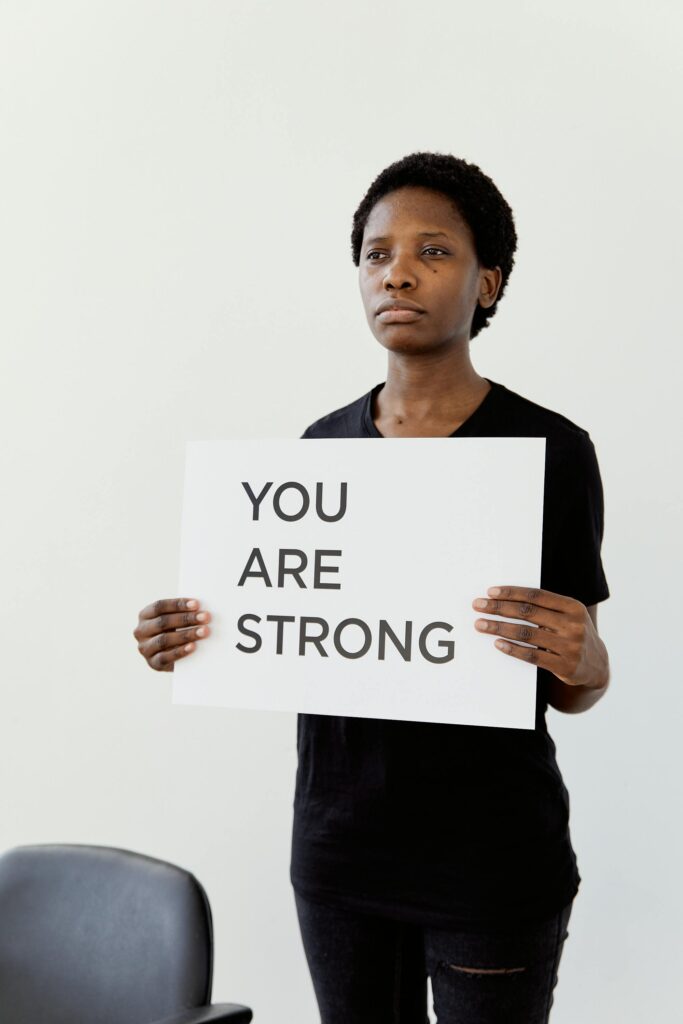
Yes! Many people reach a point where PTSD no longer controls their life. PTSD recovery does not always mean you forget the past, but it means you learn to live without constant fear. Your brain has the power to learn how to feel safe again.
You Are Not Your Trauma
A very important truth in PTSD recovery is this: You are not the bad event that happened to you. You are the person who survived it. Even if life feels heavy now, healing is possible. Your future is still open, and you can become stronger than you were before.
Frequently Asked Questions
How long does PTSD recovery take? There is no fixed time. Some people feel better in months; others may take longer. Progress is a journey.
Can medication help? Yes, doctors can prescribe medicine to help with sleep or anxiety, making PTSD recovery easier.
How can I help someone with PTSD? Be patient, listen without judging, and do not force them to talk if they aren’t ready. Can it heal without a doctor? While some people improve on their own, a professional therapist greatly increases the chance of a full PTSD recovery.
Summary:
PTSD recovery is about rebuilding your strength and finding peace again. You are not alone, and healing is possible for you.
ABDISALAN EGAL
Author & Mental Health Professional