

Introduction
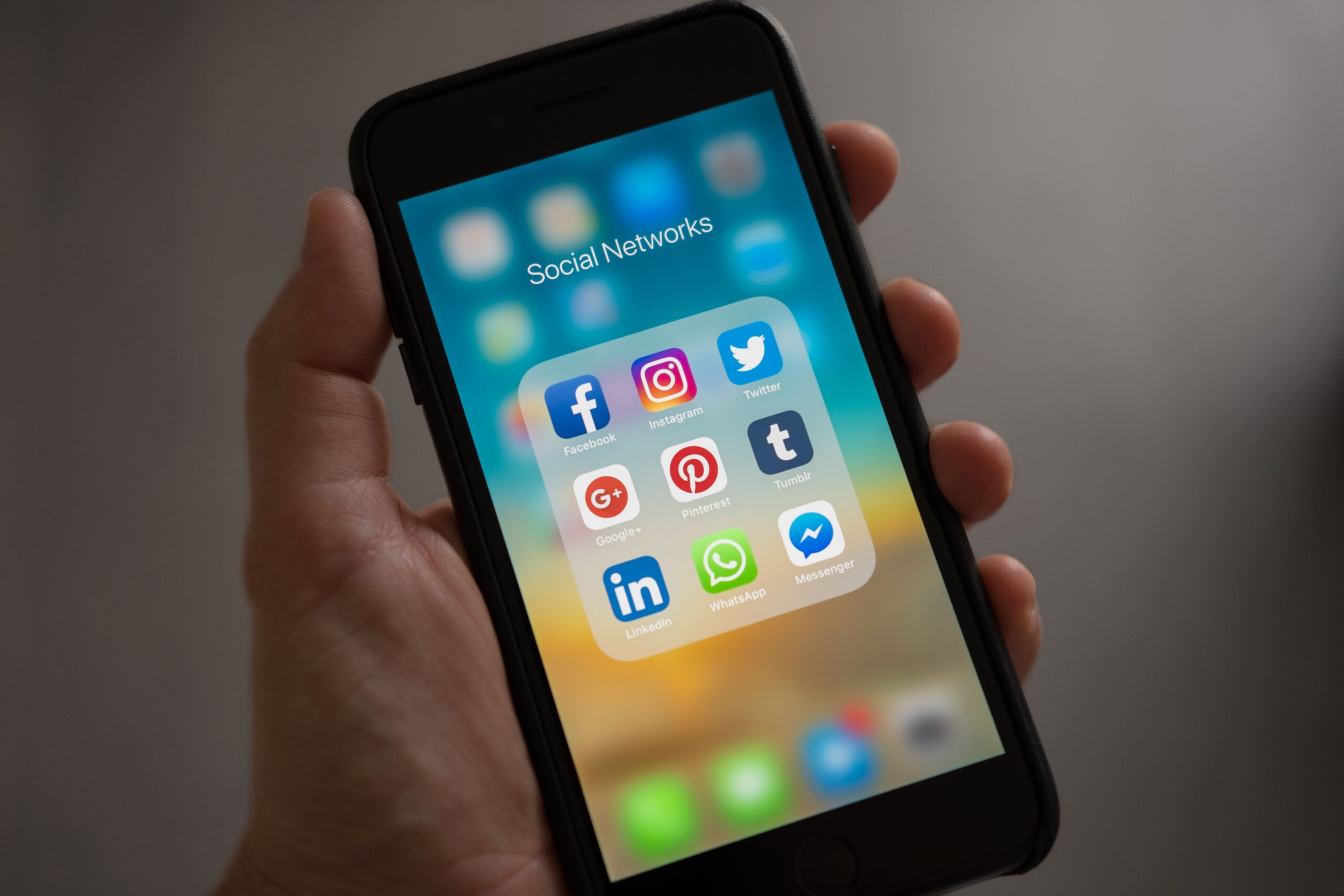
Modern life in 2026 is completely intertwined with social media. Every morning, the mobile phone has become our second breath. We scroll through feeds, interact with friends, and consume endless information. But the key question is: How does social media affect our Digital Well-being? Understanding the impact of social media on Digital Well-being is essential for maintaining a healthy mind in this hyper-connected era. The impact is profound, complex, and often not fully analyzed, but prioritizing Digital Well-being is the first step toward reclaiming our mental peace.
In these 8 points, I will attempt to analyze the impact of social media in depth.
1. The Nature of Connection: Quality vs. Quantity
Social media offers a high volume of connections but low quality, which often compromises our Digital Well-being. In a traditional sense, human connection relies on non-verbal cues—laughter, tone of voice, and eye contact. These elements are largely absent in digital text or static imagery.
Example: A student who spends four hours online scrolling instead of 12 hours meeting his friend for coffee or engaging in meaningful conversation feels a persistent sense of emptiness. Although he is “connected,” the real human intimacy is missing. We often see groups of friends sitting at a table in a cafe, yet everyone is looking at their own screen, effectively living in different virtual worlds. This lack of real-time interaction negatively impacts Digital Well-being and breeds a sense of loneliness in the middle of a crowd.
2. The Trap of Comparison: “Highlight Reel”
Instagram, TikTok, and Facebook are designed to present the “best” version of life. We constantly see vacations, career milestones, and filtered beauty, while the hard, messy moments of life are hidden. This creates a culture of envy and low self-esteem, which is a major obstacle to maintaining Digital Well-being.
Example: When you are constantly exposed to someone on social media who only posts unethical or unrealistic life achievements, it warps your perception of “normal.” You start to measure your behind-the-scenes struggles against someone else’s highlight reel, which is an unfair battle. This comparative mindset significantly deteriorates your Digital Well-being.
3. Dopamine Cycle and Psychological Dependency
Every “like,” “comment,” and “share” acts as a reward, stimulating the release of dopamine in the brain. This creates a psychological dependency where we feel the need to constantly check our phones for validation. This cycle is a silent killer of Digital Well-being.
Example: You post a photo or an opinion you are proud of. If you do not get the expected number of likes, you might delete it, assuming that the content was bad. This is proof that the actions of others are regulating your emotions and dopamine levels. When feedback is high, you feel temporary worth; when it is low, you feel rejected. This emotional roller coaster is detrimental to your Digital Well-being.
4. Information Overload and Mental Anxiety
The brain is not designed to process the amount of data we consume daily in 2026. Sleep deprivation and night-time “doom-scrolling” continuously reading bad news destroy our natural sleep cycles, severely damaging Digital Well-being.
Example: A professional, already dealing with daily stress, spends two hours at night reading polarizing news or social media debates. This stimulates the amygdala (the brain’s fear center), leading to insomnia, increased heart rate, and fatigue, which makes professional and personal functioning difficult the next day.
5. Impact on Youth: Body Image
Filtered images and unrealistic beauty standards are distorting the perception of youth, harming their Digital Well-being during a critical developmental stage.
Example: Youth in 2026 are at a critical stage of brain development. The “perfect” images on TikTok and Instagram create a constant life struggle regarding self-image. This often leads to body dysmorphia, where the young individual becomes obsessed with perceived flaws, leading to severe anxiety and disordered eating behaviors.
6. Impact on Work and Education
Social media is a double-edged sword for productivity. Many students waste their time scrolling instead of focusing on deep work, reading, or learning new skills. Similarly, in the workplace, many employees feel constant pressure from comparing their career trajectory to others on LinkedIn, which degrades their Digital Well-being. The constant notification ping disrupts “flow state,” making it nearly impossible to produce high-quality work.
7. Digital Well-being Strategies
You don’t have to delete your accounts, but you need a proactive plan to maintain your Digital Well-being:
Curate Feed: Aggressively remove or mute accounts that trigger anxiety or insecurity.
Screen Time: Utilize built-in phone settings to set strict time limits and use app blockers during work hours.
Tech-Free Zones: Designate the bedroom or the dinner table as a phone-free area.
Mindful Consumption: Before opening an app, ask: “Why am I doing this? Is it to gain value or just to numb my boredom?”
Digital Detox: Implement “unplugged” days or hours, allowing the nervous system to reset.
8. Conclusion: Control Your Technology
Social media is not going away, but its impact can be managed. Your mental health is the top priority for your Digital Well-being. True power comes from living a real, full life, rather than seeking digital validation. You must be the master of your technology, not the servant. When you are with friends and family, choose human presence over digital convenience. By setting boundaries, you protect your peace.

Key Takeaways 2026
1. Fake Connection: Social media provides high volume but low-quality connections. Real human connection requires presence, not just pixels.
2. Toxic Comparison: “Highlight reels” generate envy. Never compare your “day one” or your struggle to someone else’s “year ten” highlight.
3. Dopamine Dependency: Don’t let the algorithm dictate your self-worth. If your happiness depends on likes, you have given away your power.
4. Information Overload & Insomnia: Your brain needs silence. Doom-scrolling ruins your sleep and your ability to focus on what matters.
5. Impact on Youth: Guard the next generation’s self-image by promoting authenticity over filters.
6. Intentional Usage: Use technology as a tool for growth, not as an escape from reality.
7. Setting Boundaries: Your time is your most valuable asset; stop donating it to apps that don’t care about your health.
8. Reclaiming Identity: True identity is built in the real world through experiences, failures, and relationships, not through digital footprints.
About the Author
ABDISALAN EGAL
Mental Health & Counseling Expert