


Quick Navigation
Introduction
Improving relationships begins with acquiring a better grasp of the distinct dynamics at play when a partner exhibits Asperger’s symptoms (currently classified as Autism Spectrum Disorder – Level 1). Numerous individuals believe that a good relationship cannot exist when ongoing miscommunications occur, yet this is a widespread misconception. Utilizing targeted communication strategies allows you to effectively overcome these obstacles and establish a more robust, supportive connection.
Key Takeaways
Give early notice for changes Sudden plan changes can feel overwhelming. A simple heads‑up helps them stay regulated and calm.
Use direct communication People with ASD understand clear, literal language. Saying exactly what you need prevents confusion and reduces emotional frustration.
Use written messages Texts or notes give them time to process information without pressure, improving clarity and reducing arguments.
Create daily routines Predictable structure makes communication safer and more comfortable for them, especially emotional conversations.
Respect overload moments When they’re overstimulated, stepping back prevents escalation and allows a healthier conversation later.
Practice patience Progress is slow but real. Consistency matters more than speed in neurodiverse relationships.
Seek professional support A therapist can translate communication styles and teach both partners tools that fit their unique dynamic.
Understanding Asperger’s Syndrome in the real World
People with Asperger’s symptoms view the world differently than neurotypical individuals. They often excel in structured, logical tasks but may struggle to interpret emotions or subtle social cues.
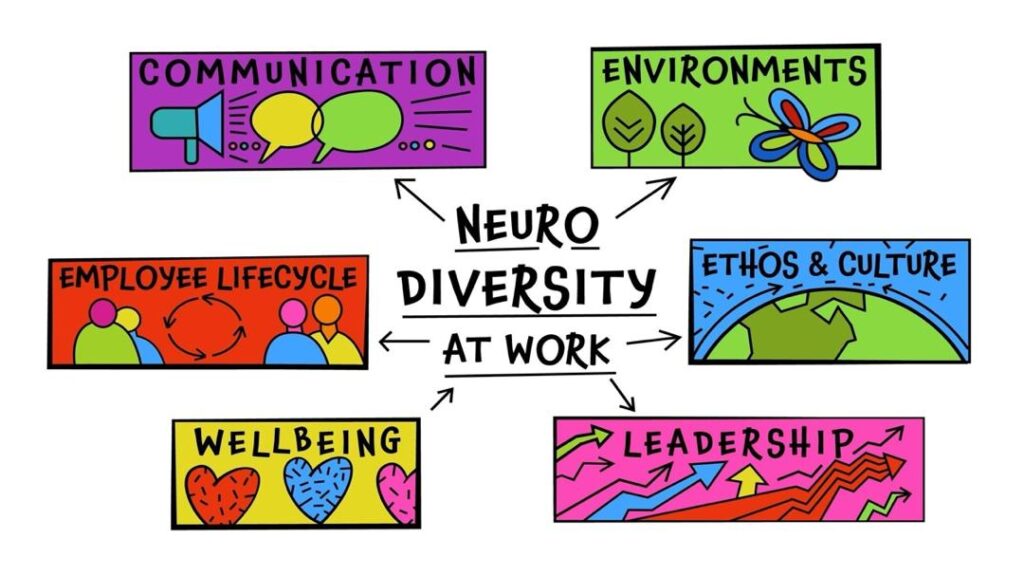
Practical Examples of Communication Differences:
he “Hinting” Misconception: You’re exhausted and state, “The dishes are truly stacking up.” You anticipate they will wash them, but they just respond, “Yes, they are,” and proceed with their work. Lesson: Be straightforward: “Kindly wash the dishes for me.”
Social Signals and Eye Engagement: Your partner avoids eye contact while having a serious discussion. You sense neglect. Lesson: Avoiding eye contact may help them concentrate more on your message; it doesn’t indicate a lack of interest.
The Desire for Consistency: You catch your partner off guard with an unexpected alteration to the dinner arrangements. They feel anxious or irritable due to a disruption in their internal schedule. Lesson: Always provide a “heads-up” regarding schedule changes ahead of time.
Why Communication Often Becomes Difficult
Partners of people with Asperger’s frequently encounter similar challenges.1 Literal Interpretation: They interpret words literally, potentially overlooking emotional subtleties.
2 Requirement for Solitude: They frequently encounter mental fatigue in social environments, resulting in a significant need for time to “rejuvenate” on their own.
3 Sensory Overload: Intense sounds, glaring lights, or too much talking can occasionally cause stress.
When working on enhancing relationships, it’s important not to take their way of communicating personally. They need simple, clear, and direct communication to feel safe and connected.
Practical Steps for Success
To succeed, consider these psychologically proven strategies:
Be Direct: If you need something, ask clearly. Instead of saying “You never pay attention to me,” try saying “I would really appreciate it if you could help me prepare dinner tonight.” The foundation of improving relationships lies in how clearly you express your needs.
Utilize Written Communication: If you believe your spoken words are misunderstood, send a brief, composed text or email. Writing gives your partner the opportunity to absorb the information without the urgency to reply immediately.
Create Routines: People experiencing these symptoms excel with consistency. Setting aside a specific 15-minute period for discussion each evening allows them to get mentally ready for the talk, which is essential for improving relationships.
Managing Stress and Overload
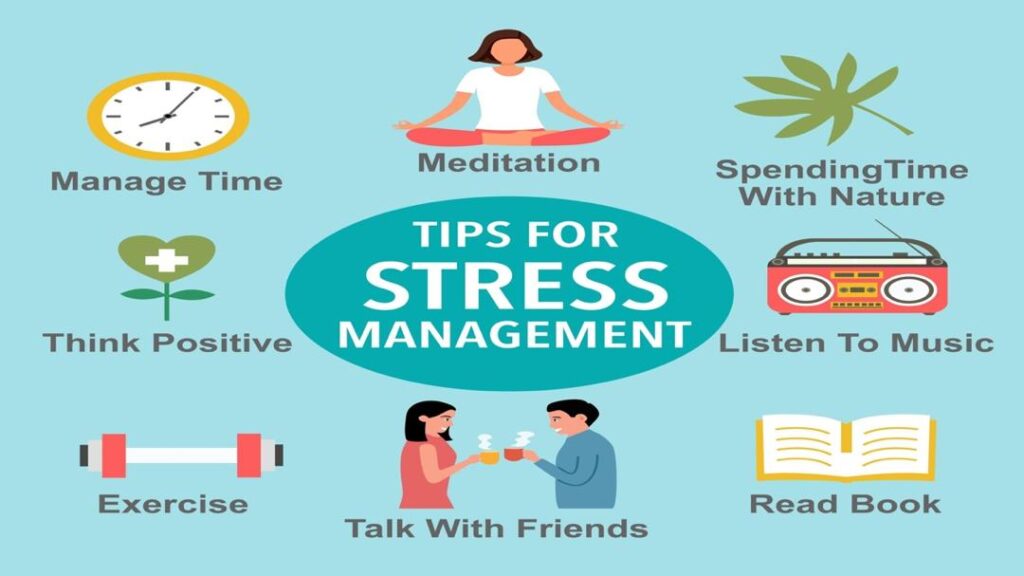
Successfully improving relationships also involves managing stress effectively. When your partner is overstimulated, they need space to reset. Do not force a conversation during a meltdown. Allow them the time to regain their composure, and address the issue later when they are calm and regulated.
Patience and Mutual Understanding
A relationship is a partnership. By recognizing that your partner possesses unique strengths such as honesty, exceptional memory, and intense focus—you can begin to appreciate these qualities rather than just focusing on the difficulties. Improving relationships is a journey, not a destination reached overnight. It requires patience, consistent dialogue, and a willingness from both sides to embrace neurological differences.
The Long-Term Value of Professional Support
Improving relationships is not a task you must undertake entirely on your own. Sometimes, the complexities of neurodiversity require a neutral, third-party perspective to bridge the gap between different communication styles. Seeking professional counseling provides a safe environment where both partners can learn to articulate their needs without judgment. Through therapy, you can develop personalized “conflict protocols” that reduce tension and foster mutual respect. Investing in these professional tools today prevents future burnout and creates a more resilient foundation, proving that dedication to your partnership is the ultimate form of self-care for both you and your loved one.
Conclusion
Do not see your relationship as a failure; see it as one that needs a “new language” that you both learn collectively. Utilizing these methods will result in notable advancement. Enhancing relationships is feasible if you are dedicated to grasping your partner’s perspective. The Mind Healer Therapy team is always available to offer extra support in helping you preserve your mental well-being and your relationship.
ABDISALAN EGAL
Author & Mental Health Professional